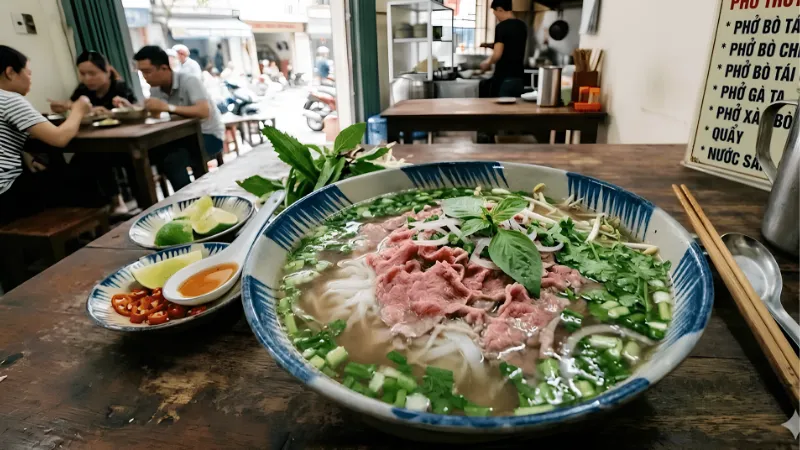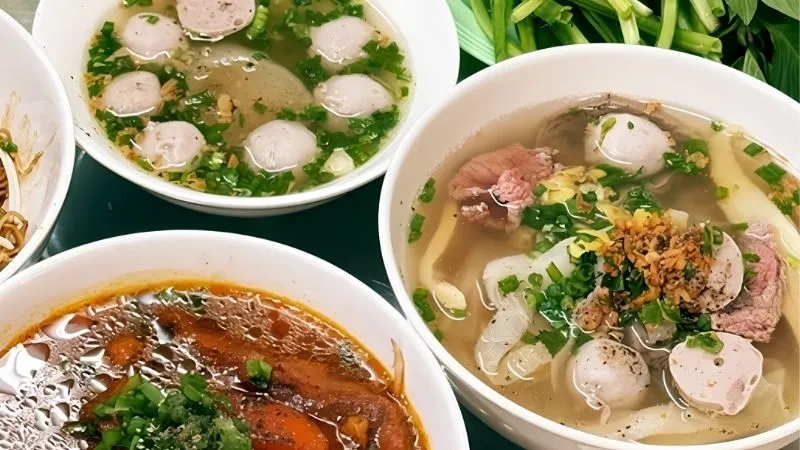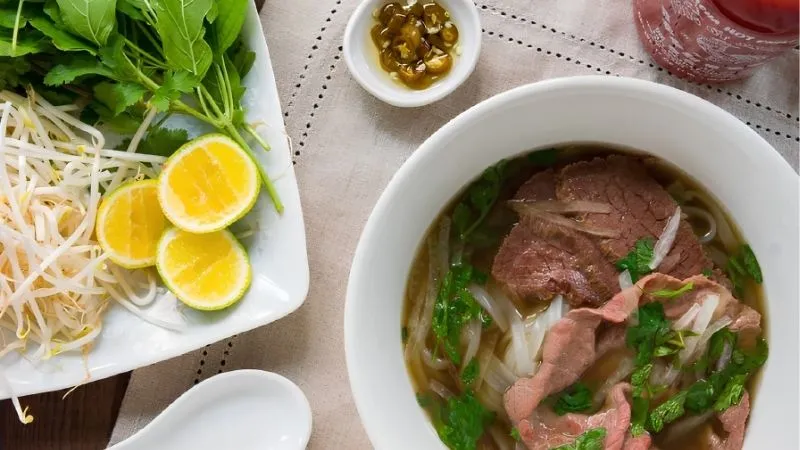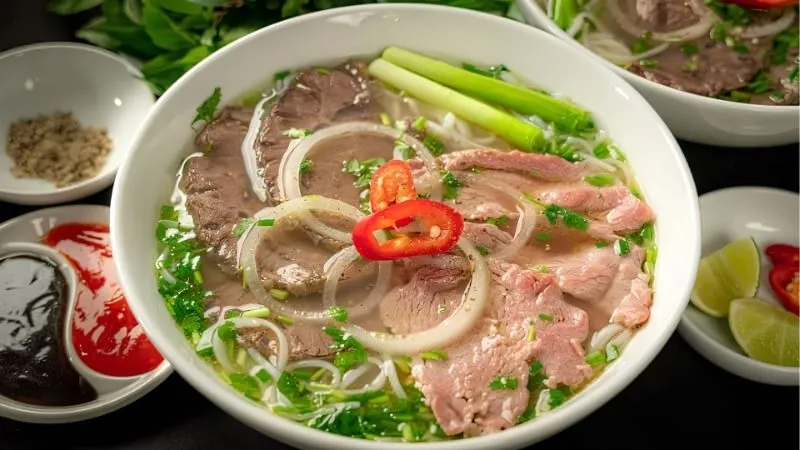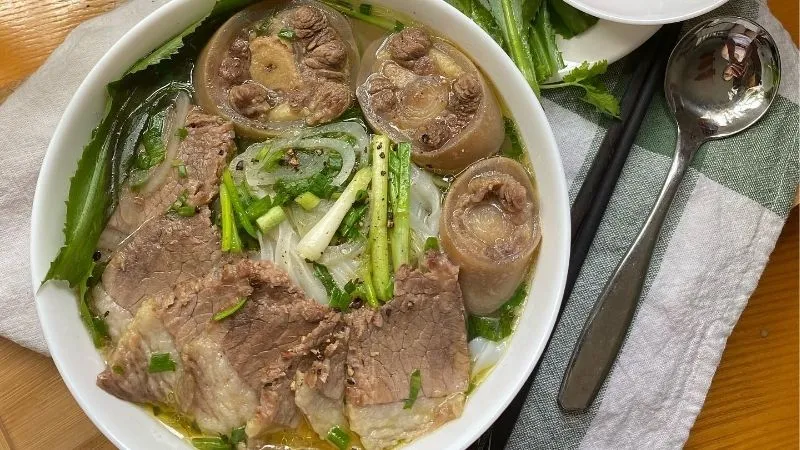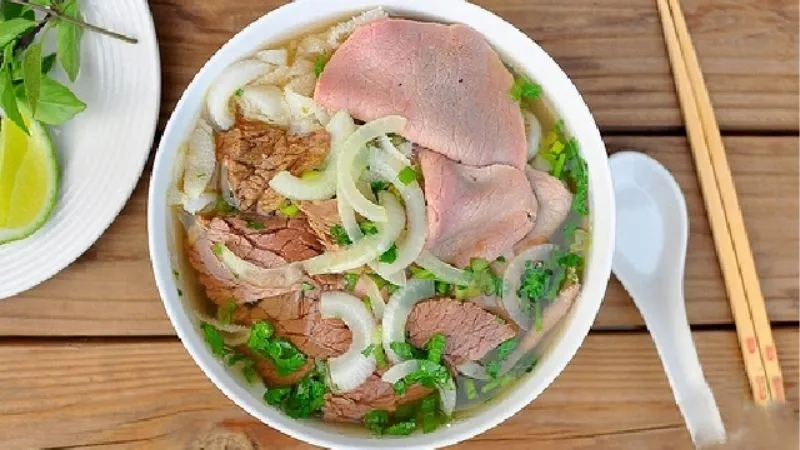
What gives Vietnamese Pho its familiar aroma and balanced flavor? Traditional Pho spices and seasoning play an important role, working together with fresh aromatics and slow-simmered broth. Let’s explore what goes into a flavorful bowl of Pho with Thiên Lý!
The 5 essential Pho spices and their flavor roles
Traditional Pho broth uses a combination of whole spices. Each one has its own aroma and helps create the balanced flavor of the soup.
Star anise
Star anise is one of the most recognizable spices in Pho. It has a star-shaped appearance and gives the broth a naturally sweet, warm aroma with a light licorice-like taste.
It is commonly used in Pho broth and other Vietnamese soups. When gently toasted before cooking, star anise releases more of its aroma and helps give the broth its familiar fragrance.
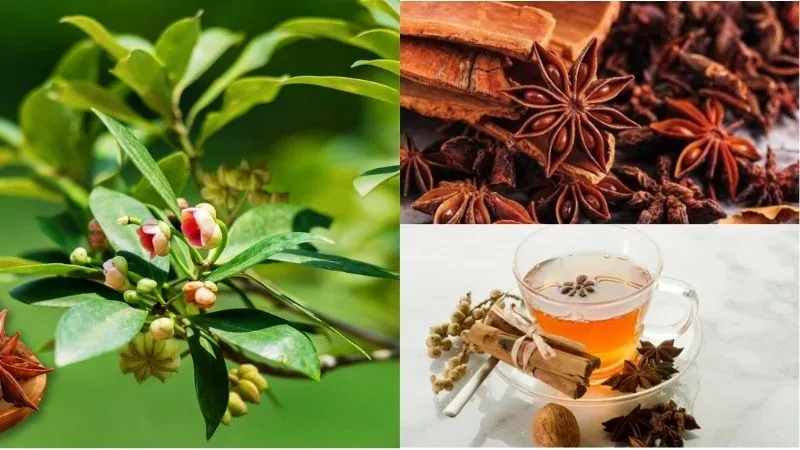
Star anise from its fresh form to the dried spice used to add a warm, sweet aroma to Pho broth
Cassia bark/cinnamon
Cassia bark, often called Vietnamese cinnamon, adds a warm, woody, and slightly sweet flavor to Pho broth. It works together with star anise and other spices to create a deeper aroma.
Cinnamon is commonly used in Pho, stews, and other slow-cooked Vietnamese dishes. For Pho, whole cinnamon sticks are preferred because they can slowly release their flavor while keeping the broth clear.
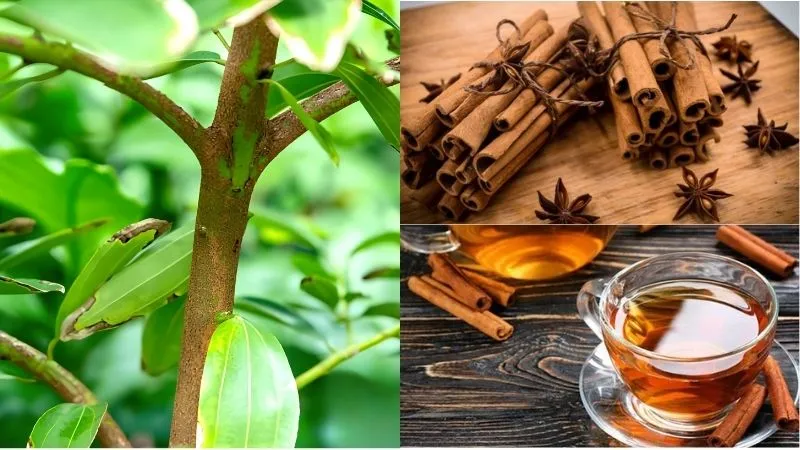
Whole cassia bark used in Pho broth to add a warm, woody, and slightly sweet aroma
Black cardamom
Black cardamom, known as thảo quả in Vietnamese, has a strong earthy and slightly smoky aroma. It adds depth to the broth without making it taste sweet like green cardamom used in desserts.
Black cardamom is often used in Pho broth and other Vietnamese meat-based soups. A small amount is enough because its flavor is quite strong.
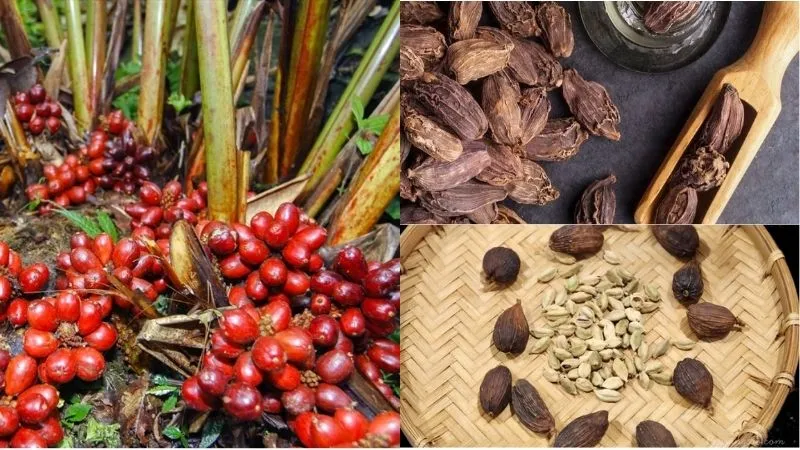
Black cardamom, or thảo quả, adds an earthy and slightly smoky aroma to traditional Pho broth
Whole cloves
Cloves have a warm, slightly spicy, and distinctive aroma. Because their flavor is strong, only a small amount is usually needed when making Pho broth.
Besides Pho, cloves are also used in marinades, stews, and spice blends in many cuisines. In Pho, they add another layer of aroma and help balance the other spices.
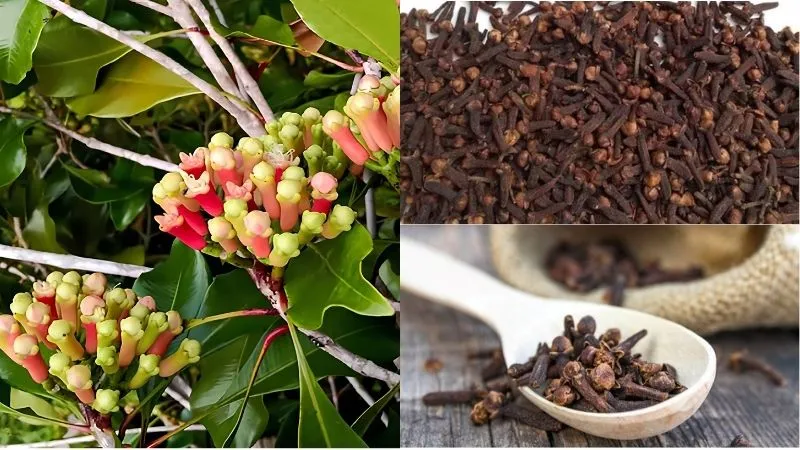
Whole cloves used in small amounts to add a warm and distinctive aroma to Pho broth
Coriander seeds
Coriander seeds have a mild, fresh, and slightly citrusy aroma. Toasting them gently before adding them to the broth helps bring out their natural fragrance.
Coriander seeds are commonly used in Pho broth, spice blends, and Vietnamese soups. In Pho, they add a lighter aromatic note that works well with the richer flavors of beef or chicken.
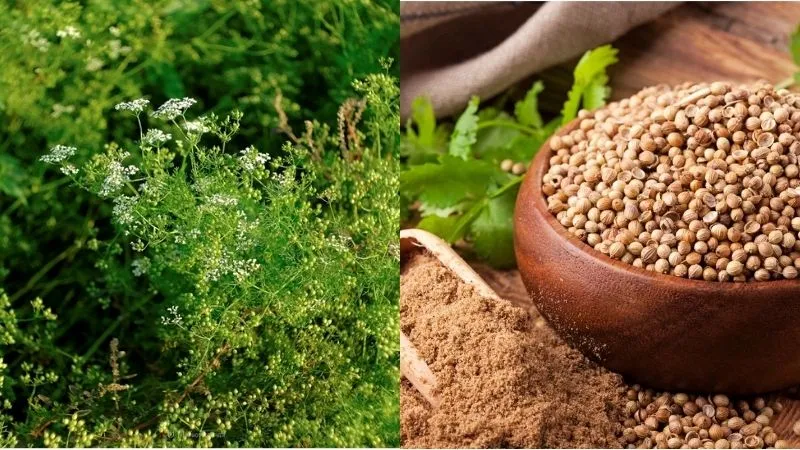
Coriander seeds gently toasted to release their fresh, slightly citrusy aroma for Pho broth
Charred aromatics vs. pre-mixed seasoning powders
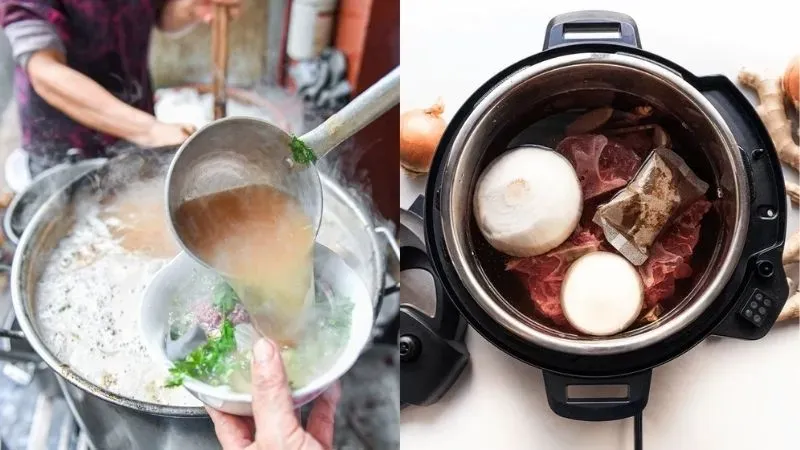
Besides spices, traditional Pho broth also gets much of its flavor from aromatics such as onion and ginger. These ingredients are often charred before being added to the broth. This simple step gives them a deeper aroma and helps add more flavor to the soup.
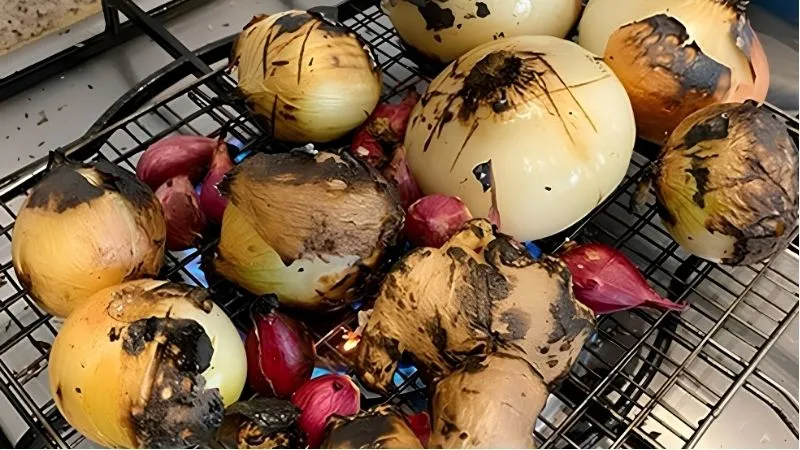
Charred onion and ginger add a deeper aroma and richer flavor
Pre-mixed Pho seasoning powders, cubes, and concentrates can make cooking faster and more convenient. However, they do not always create the same flavor as slowly simmering bones, fresh aromatics, and whole spices together.
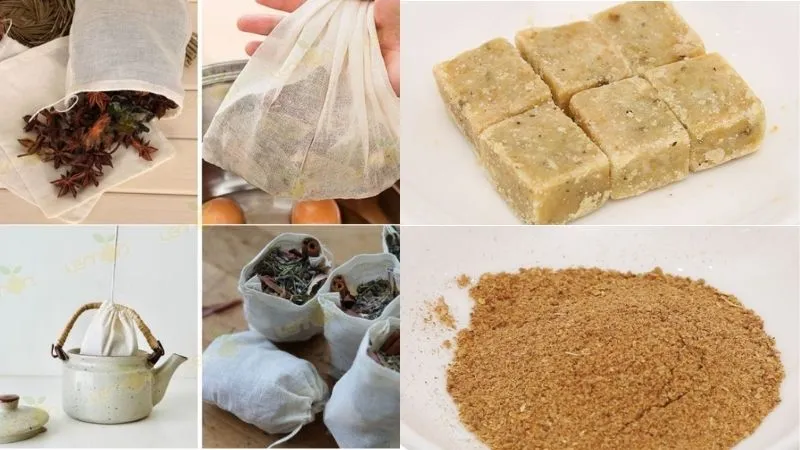
Whole spices compared with seasoning powders and cubes commonly used to prepare Pho broth
You want to make Pho at home? Explore Pho recipe for a step-by-step guide to preparing a flavorful bowl of traditional Vietnamese Pho.
Tableside Seasoning: The Art of Personalizing Your Bowl
Seasoning does not stop when the broth is ready. A bowl of Pho is often served with fresh herbs and other toppings, allowing each person to adjust the flavor to their liking.
Fresh lime adds acidity and helps brighten the savory broth, while fresh chili provides a clean and spicy kick. Thai basil and cilantro add a fresh herbal aroma when added directly to the hot broth.
For those who prefer a sweeter or richer taste, Hoisin sauce can add a mild sweet and savory flavor. Sriracha or chili paste can also be added for more heat. The amount of each condiment is completely up to personal preference.
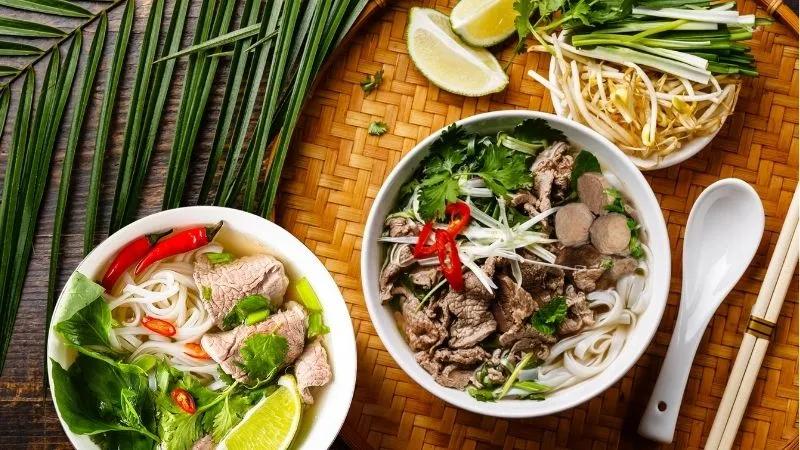
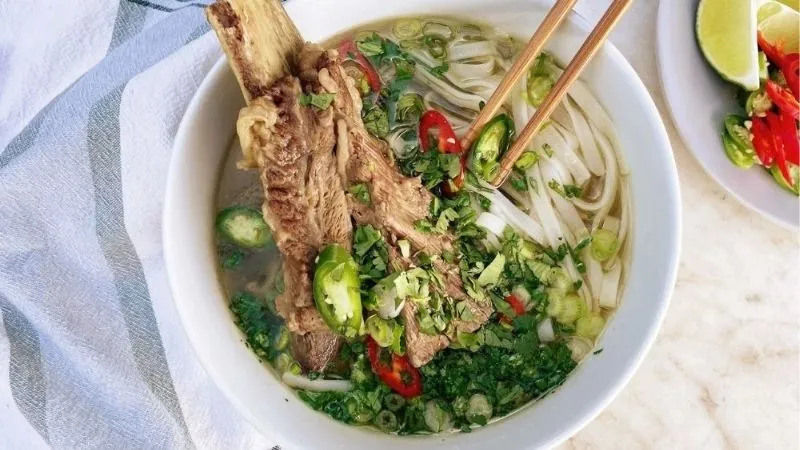
A complete bowl of Pho served with fresh herbs, bean sprouts, lime, and other traditional accompaniments
Conclusion
This spice guide with Thiên Lý Restaurant illustrates that the true magic of a perfect Pho broth lies in the patience of slow extraction and the careful balance of nature's finest aromatics. No commercial shortcut or powder can ever replace the comforting warmth of a soup made with authentic whole ingredients and true culinary dedication.
The team sincerely appreciates everyone for following and dedicating time to these food history and recipe guides. Be sure to follow Thiên Lý today to receive more exclusive cooking secrets, updates, and recipes, or feel free to share your favorite tableside seasoning combinations!
When craving a hot, comforting bowl of genuine Pho or crispy, savory crepes, visit Thiên Lý Vietnamese Restaurant to enjoy the true heritage of Vietnam. The kitchen looks forward to welcoming everyone!
📍 Address: 200 Grand Ave, South San Francisco, CA 94080
📞 Phone: +1 (415) 314-8970
🌐 Website: thienly.us
Frequently Asked Questions
How long should spices stay in the pho broth?
Toasted whole spices should only be added to the pot during the final one to two hours of the twelve-hour simmering process. Leaving the spice bag in the liquid for too long will overwhelm the natural sweetness of the marrow bones, making the broth unpleasantly bitter and overly medicine-like.
Why does star anise sometimes make the soup taste bitter?
Star anise contains powerful essential oils that can easily dominate the entire soup base if overused. If home cooks add too many stars or leave them to boil aggressively over high heat, the liquid will develop a harsh, medicinal bitterness instead of a gentle, comforting sweetness.
Can coriander seeds be replaced with fresh coriander roots?
While fresh coriander roots add a wonderful herbaceous depth to chicken Pho, they cannot completely replace the unique role of toasted coriander seeds. The dried seeds provide a distinctive, bright, and warm citrusy undertone that is essential for cutting through the rich fats of a twelve-hour beef marrow broth.